

Introduction
The Great Depression was one of the most devastating economic collapses in modern history. It began about 100 years ago, in 1929, and quickly evolved from a stock market crash into a global financial disaster that lasted throughout the 1930s.
But why did it happen?
The crisis was not caused by one single event. It resulted from a combination of factors: excessive stock market speculation, widespread use of borrowed money to buy investments, weak banking regulations, economic inequality, and declining industrial production. When stock prices began to fall in October 1929, panic spread rapidly. Banks failed, businesses closed, and millions of people lost their jobs. What began as a financial crash soon became a prolonged economic depression.
How bad was it?
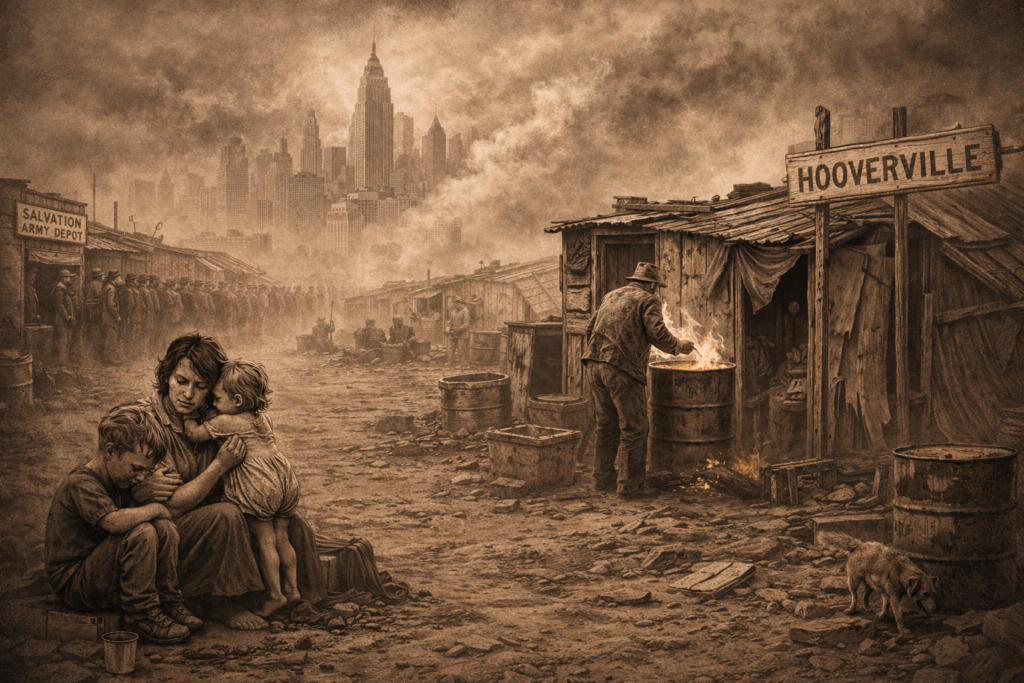
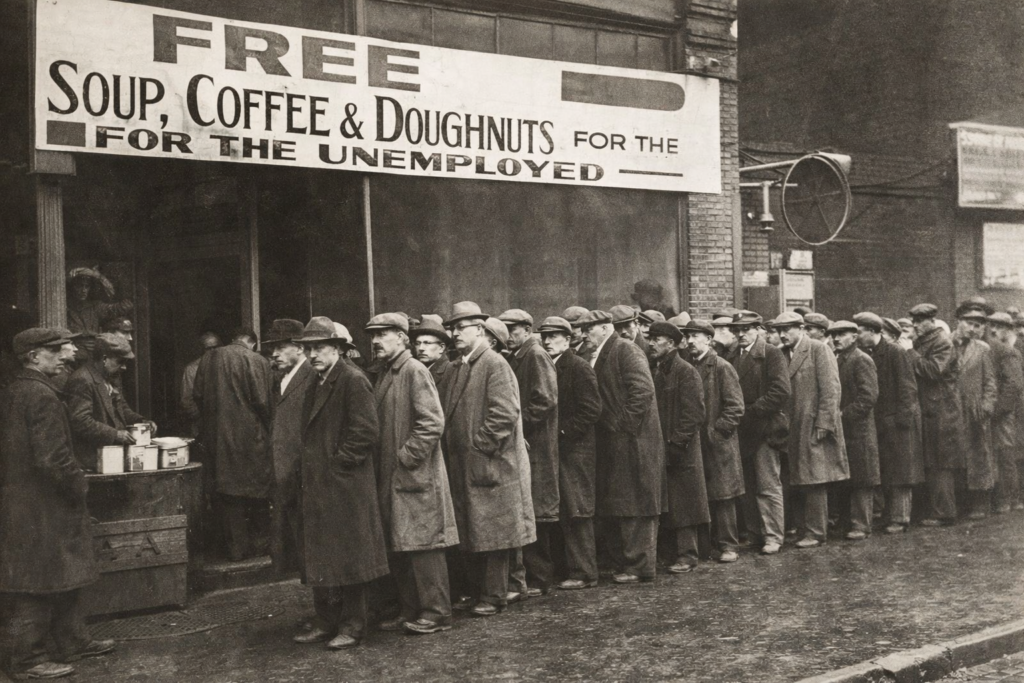
In the United States, unemployment rose to nearly 25%. Thousands of banks collapsed, wiping out savings. Industrial production dropped sharply, global trade declined, and poverty became widespread. Families lost homes, farmers lost land, and long lines for food became common in cities. The economic suffering lasted for years, making it one of the most severe downturns ever recorded.
Is It Similar to Today?
While today’s economy is very different, certain warning signs can feel familiar:
- Rapid rises in asset prices (stocks, real estate, cryptocurrencies)
- High levels of consumer and corporate debt
- Inflation concerns
- Interest rate changes by central banks
- Global economic uncertainty
However, there are also major differences. Today, financial systems are more regulated, governments respond faster with stimulus programs, and central banks actively manage interest rates to stabilize markets. Institutions such as the Federal Reserve now use tools that did not exist in 1929.
Although history does not repeat exactly, it often rhymes. Understanding the causes of the Great Depression can help individuals recognize financial risks and prepare wisely for economic cycles.
What Happened in 1929?
The Great Depression began after the stock market crash of October 1929 on Wall Street in New York City.
Key Causes:
1. Stock Market Speculation
During the 1920s, many investors bought stocks using borrowed money, assuming prices would continue rising. This created a dangerous financial bubble.
2. The Stock Market Crash
When confidence weakened, investors rushed to sell. Prices collapsed, and billions of dollars in wealth disappeared.
3. Bank Failures
Banks that had invested heavily in stocks could not survive the losses. Bank runs followed, worsening the crisis.
4. Business Closures and Unemployment
As credit dried up:
- Businesses shut down
- Production declined
- Unemployment surged
5. Global Economic Impact
The crisis spread internationally through trade and financial connections.
Interest Rates Then and Now
During the early years of the Great Depression, monetary policy mistakes worsened the downturn. Today, central banks actively adjust interest rates to manage inflation and economic growth.
Could Loan Rates Go Up During a Crisis?
Yes, loan rates can rise, especially if:
- Inflation is high
- Banks perceive greater risk
- Central banks tighten monetary policy
At the same time, during severe recessions, central banks may lower rates to stimulate borrowing. The key issue is not only whether rates rise or fall—but whether credit remains accessible.
How to Prepare for Economic Uncertainty
Although another Great Depression is unlikely in the same form, economic cycles are normal. Preparing financially can reduce risk.
1. Build an Emergency Fund
Save 3–6 months of essential expenses.
2. Reduce High-Interest Debt
Lower debt improves flexibility during downturns.
3. Diversify Investments
Avoid concentrating assets in a single market or sector.
4. Maintain Marketable Skills
Strong, adaptable skills provide income stability.
5. Stay Informed but Avoid Panic
Markets fluctuate. Long-term strategy often outperforms emotional reactions.
Conclusion
The Great Depression began 100 years ago in 1929 and became one of the most severe economic crises in history. It was caused by speculation, weak banking systems, excessive debt, and policy mistakes. While today’s financial systems are stronger and more regulated, economic risks still exist.
By learning from history and applying disciplined financial planning, individuals can better prepare for whatever economic challenges the future may bring.